Lobelia
Lobelia speciosa Cardinal flower
Are clump-forming perennials, often grown as annuals or biennials, with basal rosettes of pale to dark green, bronzy, red-flushed or dark red foliage. In summer and early autumn they produce dense, upright spires of two-lipped, tubular flowers in shades of red, pink, purple or blue Lobelia × speciosa is a hybrid designation that covers plants developed from L. fulgens, L. cardinalis and L. siphilitica. These hybrids are noted for having attractive green foliage (often flushed with red, purple or bronze), attractive flowers (shades of lavender, pink or red) and a long summer bloom period (July to September). Plants typically grow to 2 1/2’ tall. Narrow-ovate leaves appear in a basal rosette in spring. Flower stems rise from the rosettes in July bearing showy, terminal, bracteate spikes of tubular flowers. Each flower (1-2” long) has two lips, with the three lobes of the lower lip appearing more prominent than the two lobes of the upper lip. The flowers are highly attractive to butterflies and hummingbirds.
Classification
Common Names: Lobelia speciosa Cardinal flower
Family: Campanulaceae
Variety:
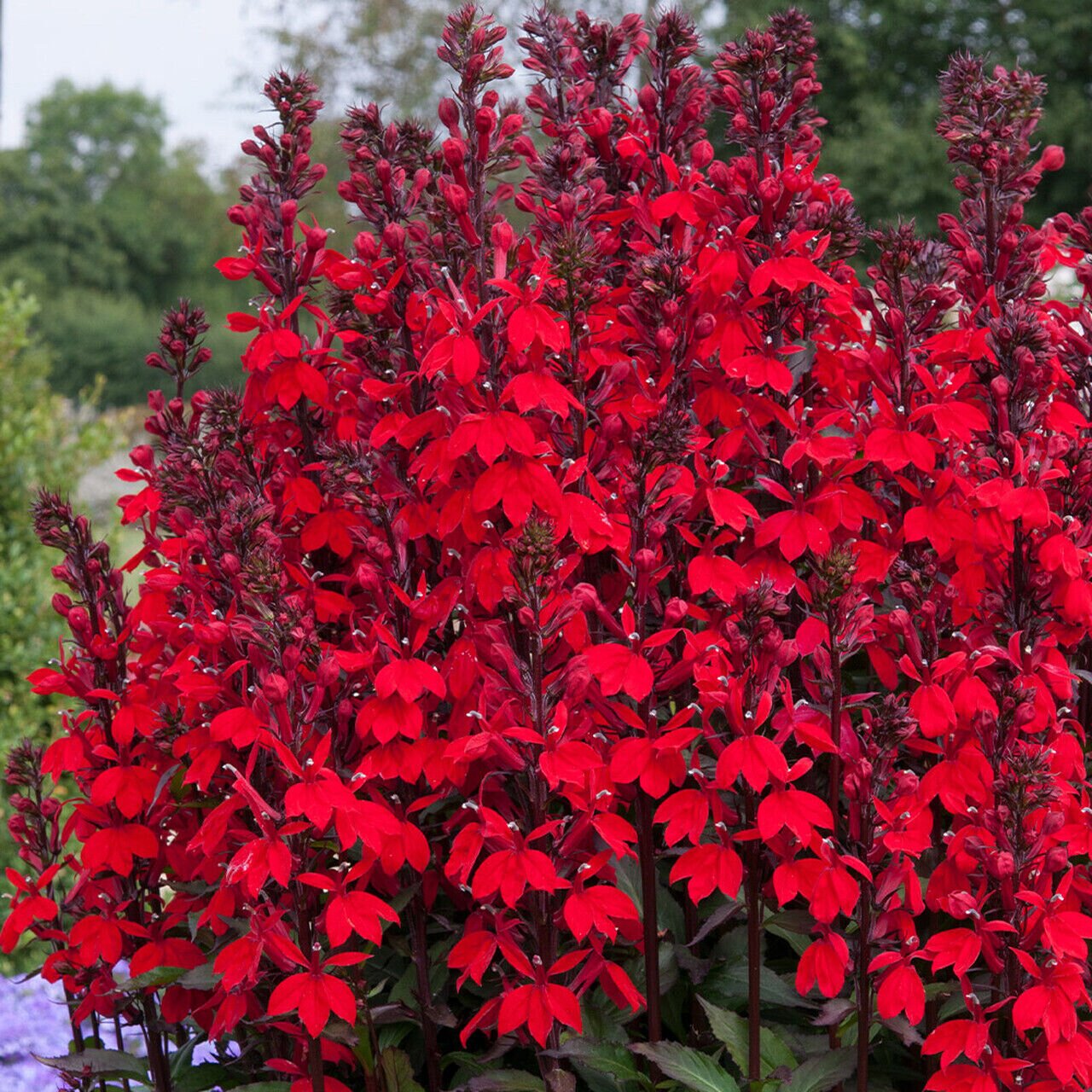
Image2551.jpg Example Lobelia cardinalis |
Propagation Notes
Plant Type: Bi-annual
Propagation: Seed
Hardiness: Hardy H5-H1 (<-10)
Flowering Season: Summer to autumn
South–facing or North–facing or West–facing or East–facing Exposed or Sheltered Cultivation Grow in deep, fertile, reliably moist soil in full sun or partial shade. Feed with a balanced liquid fertilizer every two weeks until mid-summer and a low nitrogen fertilizer from then on Propagate by seed sown at 15-18°C in late winter, or by division in spring
2024-02-15: Seed germinated in most pods
2024-01-26: Sow seed indoors in pods
2024-01-23: Seed arrived from HRS seed scheme